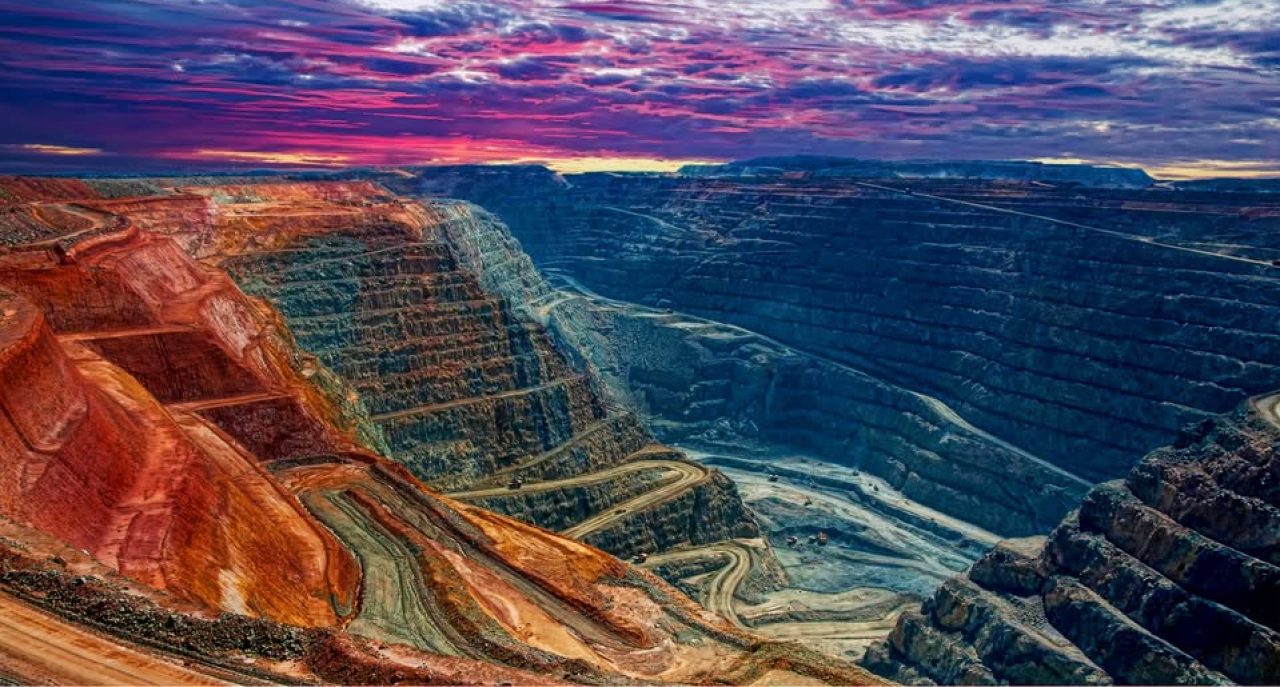
The global shift towards cleaner energy is increasing demand for minerals that power modern technologies. As countries invest in electric vehicles, renewable electricity, and energy storage, graphite critical mineral resource, is gaining attention for its role in battery production. Understanding graphite and other essential resources helps businesses identify emerging opportunities and supply chain challenges.


To gain more insights, check out : https://youtu.be/XnVQLFE_hIE?si=E3nXwT1uI-aU16MG
Why Are Critical Minerals Important?
- What makes critical minerals essential for clean energy?
Critical minerals support technologies that reduce reliance on fossil fuels. Lithium, graphite, nickel, and cobalt are important components of many rechargeable batteries, while copper is widely used in electrical wiring, motors, and power infrastructure. Rare earth elements also contribute to certain wind turbine generators and electric vehicle motors.
- Why is mineral exploration important?
Growing demand places pressure on mining companies to identify viable deposits while managing environmental and operational risks. Geological mapping, geochemical analysis, and geophysical surveys help exploration teams assess mineral potential before major investments. Accurate data can improve targeting, reduce uncertainty, and support better decisions throughout a project’s lifecycle.
Discover how Mining Doc supports informed mineral exploration decisions through its website.
Critical Minerals for Renewable Technologies
- How do critical minerals for energy transition contribute to renewable energy technologies and electric vehicles?
Critical minerals for energy transition enable renewable energy systems and electric mobility to operate efficiently. Graphite is widely used in lithium-ion battery anodes, helping batteries store and release electrical energy. Lithium, nickel, and other battery materials support different battery chemistries, while copper carries electricity through charging networks, solar installations, and wind farms.
- What challenges affect mineral supply chains?
Mineral supply chains face challenges including concentrated production, complex permitting, infrastructure gaps, and fluctuating commodity prices. Exploration projects can also encounter geological uncertainty and environmental constraints. Responsible sourcing, improved geological assessment, and investment in processing capacity can strengthen supply resilience.
Explore Mining Doc’s platform to learn more about its capabilities.
About Mining Doc:
Mining Doc supports the mining sector with digital solutions designed to improve access to geological information and exploration insights. Its platform can help industry professionals organize relevant project data and support more informed decision-making. As interest in critical minerals for energy transition grows, reliable information is increasingly important for evaluating opportunities, understanding exploration potential, and planning resource development.
Key Takeaways
- Graphite plays an important role in lithium-ion battery anodes and energy storage.
- Copper, lithium, nickel, and other minerals support renewable technologies and electric vehicles.
- Geological assessments help mining companies evaluate deposits and manage exploration uncertainty.
- Supply chain diversification, responsible sourcing, and recycling can strengthen mineral availability.
For more details, visit: https://www.miningdoc.tech/
Original Source: https://bit.ly/4BDGShw

